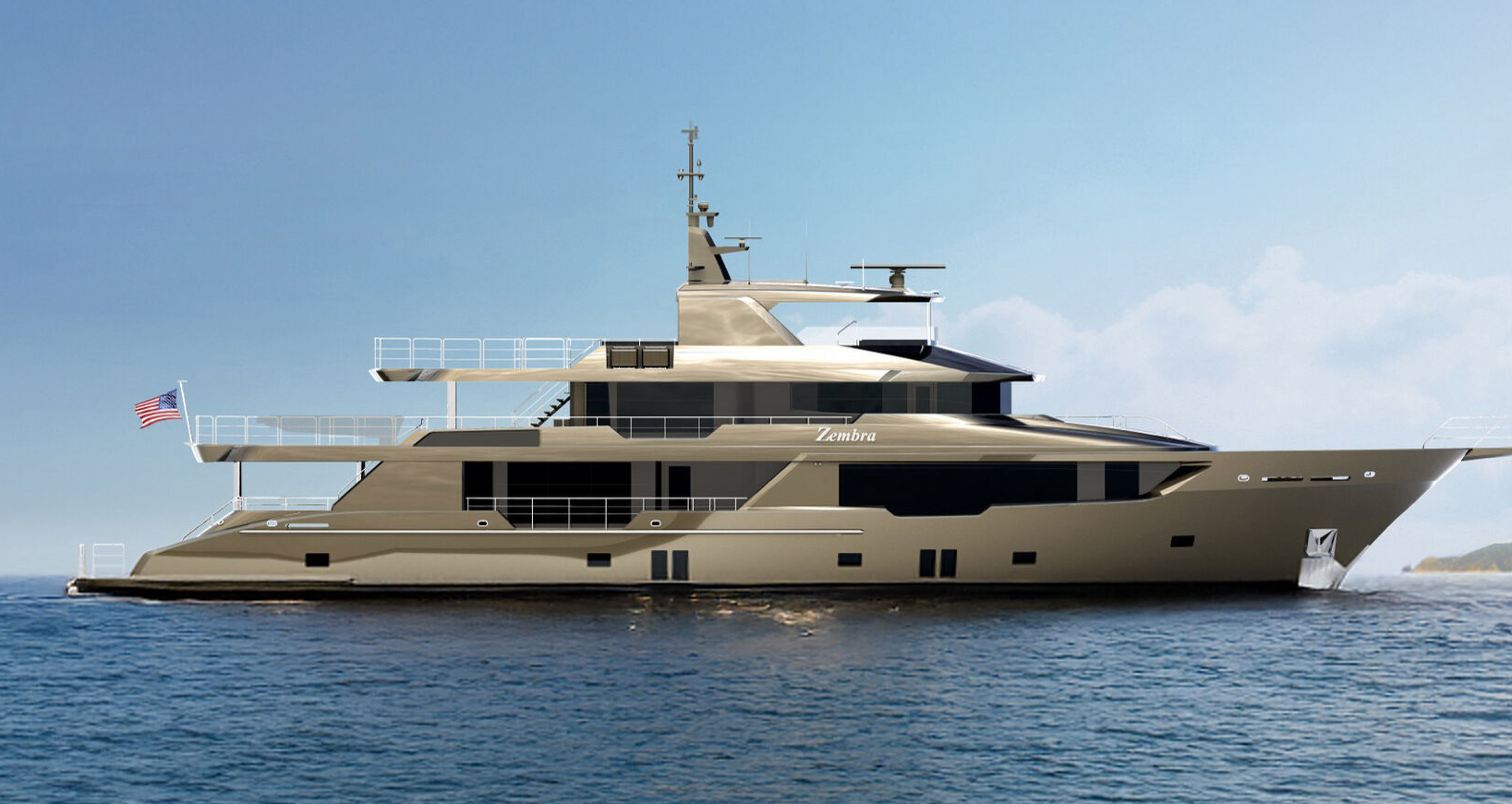
Water systems are an important part of onboard comfort and daily operation. Freshwater tanks, pumps, hoses, sinks, showers, and marine toilets all depend on properly functioning plumbing components. When something goes wrong, even a small leak or pressure problem can quickly become inconvenient. Boat Work Times helps boat owners address different marine repair needs, including situations that may require professional boat plumbing repair.
Table of Contents
Why Boat Plumbing Systems Need Regular Attention
Marine plumbing systems operate in conditions that are very different from those found in a house. Constant vibration, moisture, temperature changes, saltwater exposure, and limited access can place additional stress on hoses, fittings, pumps, and connections.
Regular inspections can help identify problems before they affect several parts of the system.
Boat owners should periodically check for:
- Water leaks
- Loose hose connections
- Cracked fittings
- Unusual pump cycling
- Low water pressure
- Damaged hoses
- Corrosion around plumbing components
- Standing water in storage areas
Finding these issues early can make repairs simpler and help prevent water damage inside the boat.
Leaking Hoses and Connections Are Common Problems
Flexible hoses are used throughout many marine water systems. Over time, they can become brittle, damaged, or loose because of vibration and repeated use.
Connections can also develop leaks when clamps loosen or fittings become damaged. A small leak may not seem serious at first, but continuous moisture can damage surrounding materials and contribute to unpleasant odors or mold growth.
Professional boat plumbing repair may involve replacing damaged hoses, securing connections, changing fittings, or inspecting less accessible sections of the system.
Water Pressure Problems Can Have Several Causes
Low water pressure is another common complaint among boat owners. The problem may come from more than one component.
A pump that is beginning to fail may not produce sufficient pressure. A clogged filter can restrict water flow, while a partially blocked hose can create similar symptoms.
Before replacing the pump, technicians may inspect the entire system to determine where the restriction or failure is occurring. This approach helps avoid replacing a working component when the actual problem is somewhere else.
Freshwater Pumps Require Proper Maintenance
The freshwater pump plays a central role in distributing water throughout the boat. When a faucet or shower is opened, the pump needs to respond correctly and maintain consistent pressure.
Frequent cycling when no faucet is open can indicate a leak or pressure problem. A pump that runs continuously may also be dealing with a blockage, insufficient water supply, or internal wear.
Regular inspection can help identify these symptoms before the pump stops working completely. When replacement or diagnosis becomes necessary, boat plumbing repair can restore proper water flow and system performance.
Marine Toilets Need Specialized Attention
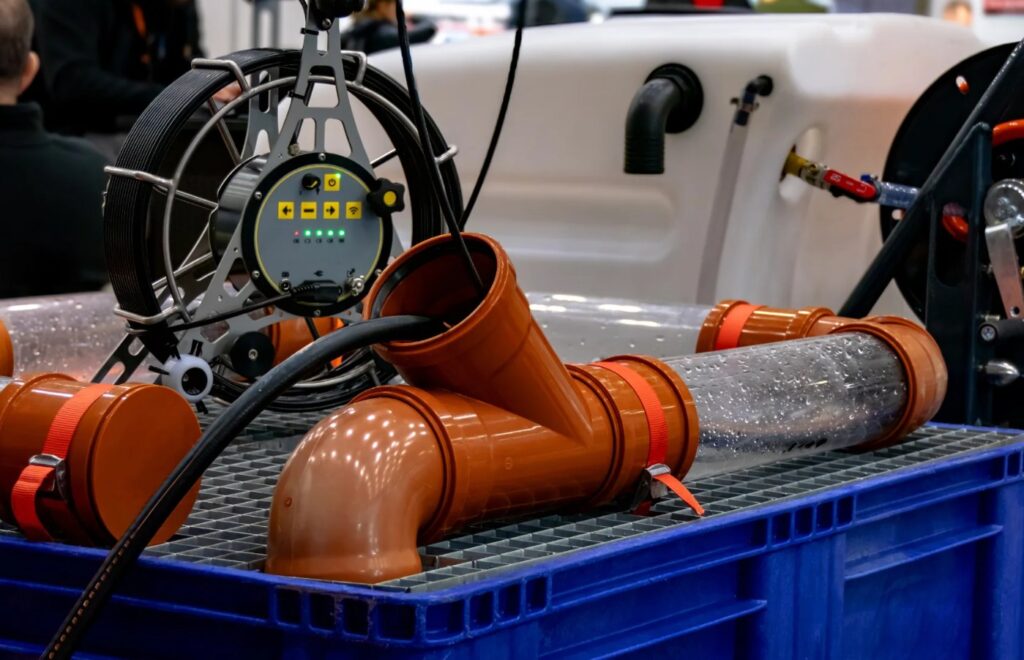
Marine sanitation systems have their own maintenance requirements. Toilets, holding tanks, sanitation hoses, valves, and pumps must work together correctly.
Common warning signs include:
- Unpleasant odors
- Slow flushing
- Unusual pump noises
- Water remaining in the bowl
- Leaks around fittings
- Difficulty emptying the system
Using incorrect components or household plumbing products can create additional problems. Marine sanitation equipment is designed for specific operating conditions, so repairs should account for the type of system installed on the boat.
Water Tanks and Filters Should Not Be Ignored
The freshwater tank is another important part of the system. Contamination, sediment, damaged connections, or problems with the tank fittings can affect water quality and flow.
Filters also require periodic inspection and replacement. A clogged filter can reduce water pressure and force the pump to work harder than necessary.
Boat owners should follow the maintenance recommendations for their specific equipment and inspect tanks and filters as part of regular seasonal preparation.
Winter Storage Can Affect Plumbing Systems
Boats that spend part of the year out of service require additional plumbing preparation. Water left inside lines, pumps, or tanks can create problems during periods of freezing temperatures.
Proper winterization may include draining water from appropriate components, following manufacturer recommendations, and protecting vulnerable parts of the system.
When a boat returns to service, the plumbing system should also be checked before regular use. Looking for leaks and verifying pump operation can help identify problems caused during storage.
When Professional Repair Makes Sense
Some plumbing issues are relatively simple, but others can be difficult to locate because marine systems often run through tight or inaccessible spaces.
Professional boat plumbing repair may be appropriate when a boat has:
- Persistent water leaks
- Repeated pump failures
- Severe pressure loss
- Hidden plumbing damage
- Sanitation system problems
- Multiple connected components showing symptoms
- Water damage around plumbing areas
A proper diagnosis can identify the source of the problem instead of simply treating the most visible symptom.
Final Thoughts
A reliable plumbing system contributes to both comfort and practical boat operation. Freshwater pumps, tanks, hoses, filters, showers, sinks, and sanitation equipment all need regular attention to remain dependable.
Routine inspections can catch leaks, pressure problems, worn components, and other issues before they become more complicated. When a problem requires deeper diagnosis or replacement of marine-specific components, professional boat plumbing repair can help restore the system and reduce the risk of further damage.
For more useful articles about boat repairs, plumbing, electrical systems, engines, fiberglass, maintenance, and other marine services, you can find them here.