A fresh exterior finish can completely change the appearance of a boat, but a durable result depends on much more than applying a new coat of paint. Marine surfaces are exposed to sunlight, saltwater, moisture, temperature changes, and constant movement, so preparation is essential. Boat Work Times helps boat owners with different marine repair and maintenance needs, while professional boat painting can improve both the appearance and long-term protection of a vessel.
Table of Contents
Why Preparation Matters More Than Paint Alone
One of the most common mistakes during a boat painting project is focusing on the final color before preparing the surface. Paint cannot compensate for contamination, peeling coatings, damaged fiberglass, or poorly repaired areas.
Before any coating is applied, the existing surface should be inspected carefully. Areas with cracks, chips, oxidation, corrosion, or loose material may require additional repair.
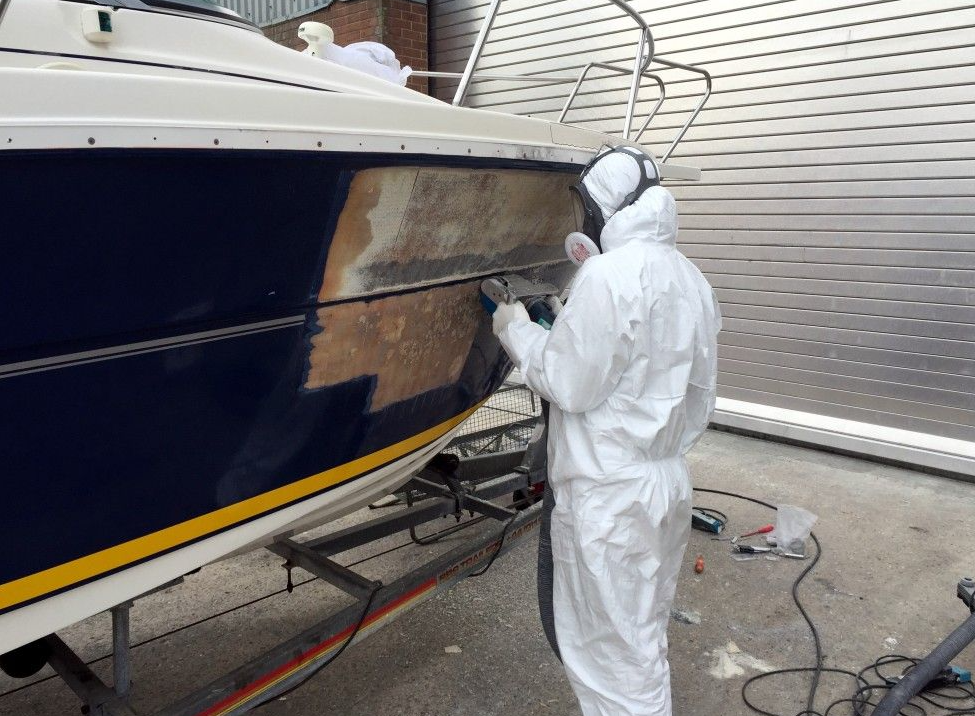
Proper preparation can include:
- Cleaning the hull
- Removing loose coatings
- Sanding the surface
- Repairing damaged areas
- Removing contaminants
- Applying appropriate primers
- Creating a consistent surface for the new coating
Skipping these steps can lead to poor adhesion and premature deterioration.
Fiberglass Requires Careful Surface Preparation
Many recreational boats use fiberglass construction, and the condition of the fiberglass surface can influence the final appearance.
Oxidation may make an older hull look dull or chalky. Scratches and previous repairs can also become more visible after a new finish is applied.
Before boat painting begins, damaged fiberglass should be inspected and repaired where necessary. Deep scratches, cracks, and poorly finished repair areas may need to be sanded and faired to create a smooth transition.
The goal is not simply to make the surface look clean. It needs to provide a stable foundation for the new coating.
Choosing the Right Marine Coating
Boat owners have several coating options, and the appropriate product depends on the boat, surface, operating environment, and desired finish.
Marine coatings are designed to withstand conditions that ordinary household paints are not intended to handle. UV exposure, saltwater, moisture, and constant temperature changes can quickly affect unsuitable products.
When selecting a coating, owners should consider:
- UV resistance
- Water resistance
- Adhesion
- Flexibility
- Chemical resistance
- Expected durability
- Compatibility with the existing surface
The coating system should also be compatible with the primer and other materials used during the preparation process.
Color Is Only One Part of the Decision
A new color can make a boat look dramatically different, but appearance should not be the only consideration.
Dark colors can show scratches and imperfections more easily, while lighter colors may help reduce the visual impact of minor surface marks. Some owners choose colors that complement the interior upholstery, deck surfaces, or overall design of the vessel.
A professional boat painting project should consider the complete appearance rather than treating the hull color as an isolated feature.
Primer Provides an Important Foundation
Primer is an important part of many marine coating systems. It can help create a suitable bonding layer between the prepared surface and the finish coating.
The correct primer depends on the substrate and the coating system being used. Fiberglass, metal, and previously painted surfaces may require different preparation and primer products.
Applying primer over a poorly prepared surface does not solve the underlying problem. The surface still needs to be clean, stable, and properly prepared before the coating system is applied.
Environmental Conditions Affect the Finish
Temperature, humidity, wind, and airborne contamination can all affect a painting project.
High humidity can influence curing, while excessive heat can affect application and drying. Wind can introduce dust and debris onto wet surfaces.
Professional boat painting is therefore often planned around appropriate environmental conditions. A controlled working environment can help produce a smoother finish and reduce contamination during application.
Multiple Coats Can Improve Protection
A quality coating system usually involves more than one application. Depending on the product, several layers may be required to achieve the desired coverage and protection.
Each layer needs appropriate drying or curing time before the next one is applied. Rushing this process can affect adhesion and the final appearance.
The number of coats should follow the coating manufacturer’s recommendations rather than being determined only by visual appearance.
Do Not Paint Over Existing Damage
Paint can hide some defects temporarily, but it cannot repair structural damage.
Before painting, owners should inspect the hull for:
- Fiberglass cracks
- Deep gouges
- Blisters
- Delamination
- Loose hardware
- Water intrusion
- Corrosion around metal components
Repairing these issues before applying the final coating can help prevent problems from reappearing beneath the new finish.
Professional Application Can Make a Difference
Large boat surfaces can be difficult to prepare and coat evenly. Uneven sanding, inconsistent coating thickness, overspray, dust, and improper curing can all affect the final result.
Experienced marine technicians understand the preparation and application process and can identify problems that may not be obvious to a boat owner.
Professional boat painting can also be combined with fiberglass repair, surface restoration, hardware inspection, and other maintenance work when the condition of the hull requires a broader approach.
Maintaining the New Finish
A new finish still requires regular care after the project is complete. Salt deposits, dirt, oxidation, and environmental exposure can gradually affect the surface.
Boat owners should wash the exterior regularly with products appropriate for the coating system. Aggressive cleaning methods should be avoided unless specifically recommended by the coating manufacturer.
Regular inspections can also reveal scratches, chips, or areas where the coating may need attention.
Final Thoughts
A successful boat painting project begins long before the first coat of finish is applied. Surface preparation, fiberglass repairs, primer selection, environmental conditions, coating compatibility, and proper curing all influence the final result.
Taking the time to prepare the hull correctly can improve the appearance and help the new coating withstand demanding marine conditions. With professional boat painting and consistent maintenance, owners can protect their vessels while giving the exterior a cleaner and more finished appearance.
For more useful articles about boat painting, fiberglass repair, marine maintenance, electrical systems, engines, and other boating services, you can find them here.