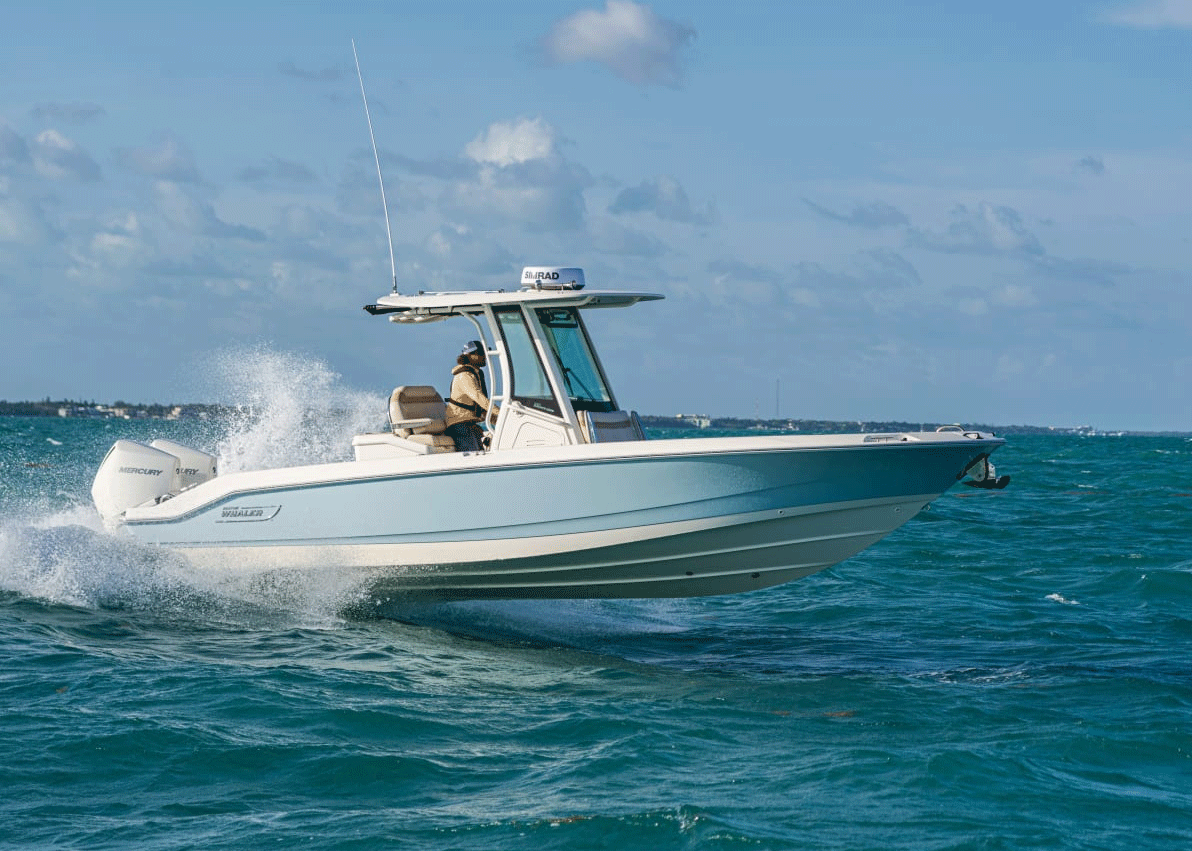
When we talk about Boston Whaler, we aren’t just talking about a boat. We are talking about an American engineering icon. From the classic Montauk 17 to the massive 420 Outrage, these vessels have earned their reputation as the “Unsinkable Legend.”
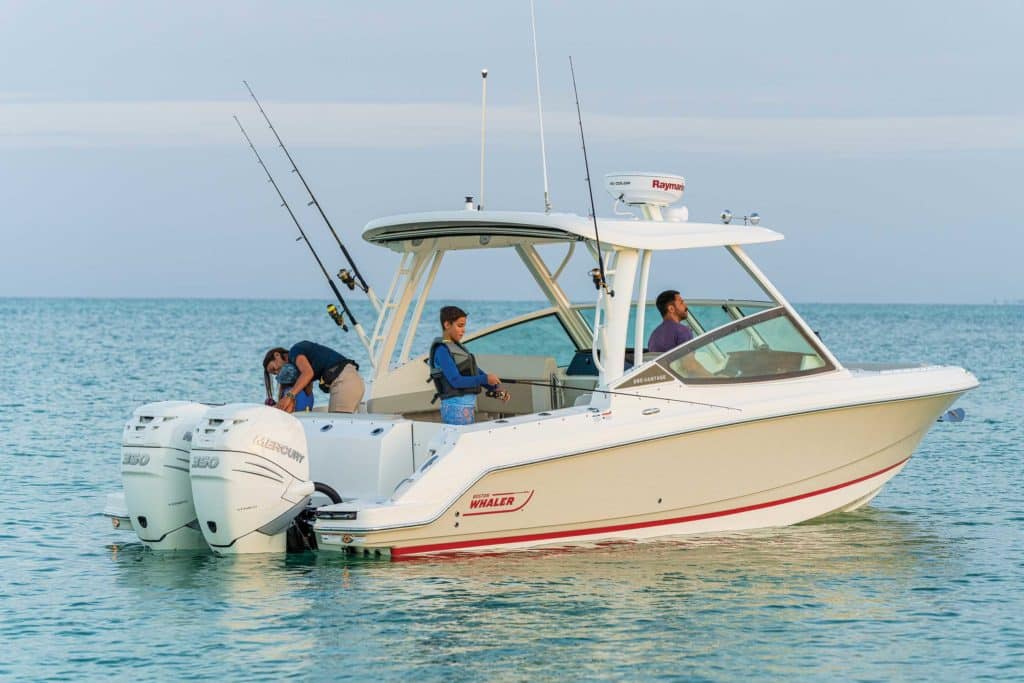
However, in the harsh environment of South Florida — from the docks of Fort Lauderdale to the sandbars of Miami — even a Whaler has its weak points. While the hull may last forever, the components attached to it are constantly battling UV rays, salt, and humidity.
The Hidden Enemy: Water Retention in Seating
The biggest misconception among Whaler owners is that because the hull is filled with closed-cell foam, the rest of the boat is waterproof. In reality, older models (especially those from the 1990s and early 2000s) often used marine plywood for seat bases.
Over time, moisture seeps through the staple holes in the vinyl. The wood rots, creates a persistent “boat smell,” and adds unnecessary weight to the vessel. Modern restoration standards now require a total shift:
- HDPE & PVC Bases: Replacing wood with high-density plastic ensures the foundation of your seats is as permanent as the fiberglass hull itself.
- Closed-Cell Foam: Upgrading to foam that does not act like a sponge is critical for maintaining the boat’s performance and comfort.
Engineering Insights: The Bolster System
One reason enthusiasts love the Boston Whaler Outrage and Conquest series is the brilliant mounting engineering. Unlike many manufacturers who drill massive holes through the inner hull, Whaler uses an elegant hook-and-bracket system for side bolsters.
This keeps the structural integrity of the “foam sandwich” intact. When performing a restoration, it is vital to respect this system. A true specialist won’t modify these mounts but will instead ensure the new upholstery fits the original geometry with millimeter precision.
Modernizing the Aesthetic for 2026
The classic “beige-striped” vinyl of the 80s and 90s served its purpose, but it’s no longer the gold standard. Today’s owners are opting for:
- Cool-Touch Technology: Marine vinyl that reflects heat, a must-have for the 90°F+ days in Palm Beach.
- Custom Diamond Stitching: Moving from basic factory looks to luxury-grade patterns that increase the boat’s resale value.
- Embroidered Longevity: Shifting from heat-pressed logos (which crack over time) to UV-resistant embroidery.
Restoration as an Investment
A well-maintained Boston Whaler holds its value better than almost any other brand. A professional interior overhaul isn’t just a cosmetic fix — it’s a strategic upgrade that can add $15,000 to $30,000 to the asking price on the secondary market.
For those looking to bring their legend back to showroom condition, it’s essential to work with technicians who understand the specific DNA of these boats. You can find detailed technical guides and professional case studies on Boston Whaler Upholstery Restoration, where engineering meets craftsmanship.