The marine market is shifting rapidly as we enter 2026. New technologies, evolving consumer preferences, supply chain improvements, and environmental regulations are reshaping how boats are bought, built, and used around the world. For boat owners, manufacturers, dealers, and service providers understanding these changes is becoming more important than ever. This article explores key trends driving the industry and what they mean for the future.
We will look at demand trends, technology adoption, sustainability shifts, supply chain updates, pricing trends, and market opportunities that will define the marine sector in 2026.
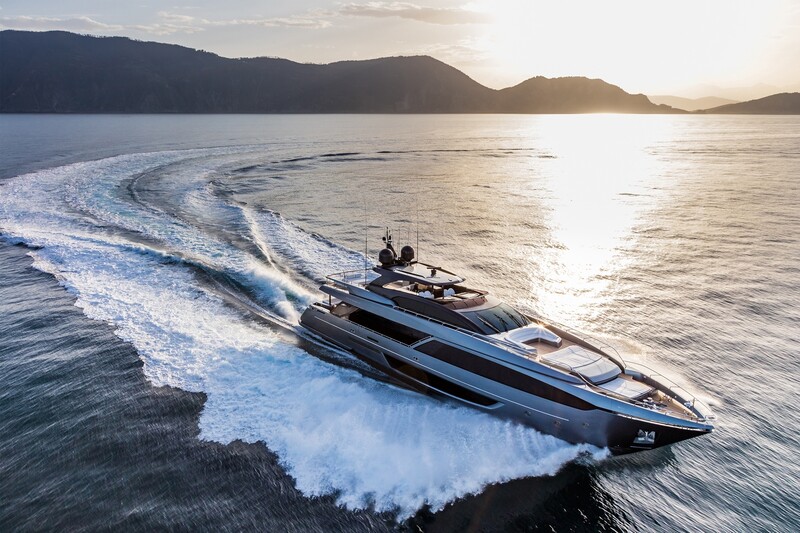
Growing Demand for Boating Experiences
One of the biggest trends heading into 2026 is sustained demand for boating experiences. Unlike past cycles that focused primarily on boat ownership, the market now shows strong interest in shared boating, rentals, and short term charters.
Many consumers want flexibility. They enjoy time on the water but do not always want the responsibilities of full ownership. This trend is supported by new platforms that make renting or sharing boats simpler and safer. These services are expanding in lakes, coastal areas, and even urban waterfronts.
As a result, boat manufacturers and dealers are adjusting their offerings. More rental fleet ready models are available. These boats are designed for durability, ease of use, and minimal maintenance. Expect this trend to continue gaining momentum in 2026.
Shift Toward Electric and Hybrid Boats
Electric propulsion is no longer a futuristic concept. In 2026, electric and hybrid boats are gaining real traction. Advances in battery technology mean longer range, faster charging, and reduced weight. Combined with quieter operation and lower maintenance, electric boats are becoming attractive not only for small recreational craft but also for larger vessels.
Major manufacturers are releasing new electric models for day cruising, fishing, and water sports. Hybrid systems that combine electric motors with traditional engines are also rising in popularity. These systems offer the best of both worlds: electric efficiency for short trips and combustion power for longer journeys.
The push for electrification is supported by marina infrastructure improvements. More charging stations and standardized connectors are being installed across key boating regions. This is helping reduce range anxiety and making electric boating more accessible.
Innovative Digital Tools and Connectivity
Digital technology is transforming the marine market. Smart navigation systems, connected onboard devices, and mobile apps for scheduling and maintenance are now standard expectations for many buyers.
Real time data from onboard sensors allows owners to monitor fuel efficiency, engine performance, and safety metrics from their phones. Marinas are adopting digital booking platforms and automated check in systems, improving convenience for boaters.
Virtual reality tours and online customization tools are changing how boats are sold. Buyers can now explore models digitally before visiting a showroom. This trend was accelerated by the pandemic and continues to influence sales channels in 2026.
Dealers that embrace digital tools are outpacing those that cling to traditional sales methods. Expect more integration between manufacturers, dealers, and customers through digital platforms in the coming year.
Sustainability and Environmental Regulations
Environmental concerns are playing an increasing role in the industry. In 2026, both consumers and regulators are pushing for greener boating options. Manufacturers are responding by reducing emissions, using sustainable materials, and improving fuel efficiency.
New environmental regulations in Europe, North America, and parts of Asia are encouraging the adoption of cleaner engines and lower emission technologies. Some regions now require stricter emissions testing for new boats. This is pushing manufacturers to innovate or risk losing market share.
Eco friendly materials are also becoming more common. Recycled composites, bio based resins, and responsibly sourced woods are being used in production. Boats that advertise sustainability features are seeing stronger consumer interest.
Consumers themselves are more environmentally aware. Many prefer electric or hybrid vessels. Others choose boats certified for lower emissions or reduced noise. Sustainability is a key buying factor in 2026.
Shift in Consumer Preferences
Millennial and Gen Z boat buyers are influencing the market significantly. These buyers value experiences, technology, and sustainability more than previous generations. They often prioritize customization, connectivity, and ease of use over raw horsepower or size.
Smaller, more versatile boats are selling well. Deck boats, pontoons, and multi use day cruisers are popular because they fit a wide range of activities. Meanwhile, large luxury yachts are still relevant, but they represent a smaller share of overall sales compared to the growing mid size segment.
Another preference shift is toward low maintenance and ownership convenience. Buyers want boats that are easy to store, service, and operate. This is driving demand for features like modular seating, automated systems, and remote monitoring.
Supply Chain Improvements
The marine industry faced supply chain challenges in the early 2020s, with delays in parts, electronics, and raw materials. In 2026, supply chains are stabilizing due to diversified sourcing and improved logistics planning.
Manufacturers now stock more critical components closer to production facilities. Advanced forecasting tools help predict demand more accurately. This reduces wait times for buyers and allows dealers to keep more inventory on hand.
However, some regions still experience variability in delivery times due to international shipping pressures. Dealers and manufacturers that invest in logistics resilience are better positioned to serve customers without long backorders.
Pricing Trends and Market Growth
Boat prices climbed significantly in recent years due to high demand and supply constraints. In 2026, price growth is stabilizing. While boats are not becoming cheaper, the rate of increase is slowing. Competitive pressures and improved supply chains are contributing to this trend.
Used boat markets are also seeing strength. Many buyers who delayed purchasing a new boat now enter the market through pre owned options. This shift is healthy for overall market diversity and allows more people to participate in boating.
Dealers with strong certified pre owned programs are benefiting from this trend. These programs give buyers confidence in quality and reliability while offering lower price points than new models.
Opportunities for Service Providers
Service sectors such as maintenance, detailing, training, and marina management are experiencing strong demand. As more new and pre owned boats hit the water, the need for quality service continues to grow.
Training for new boat owners is especially in demand. Many first time buyers lack experience with navigation, docking, and safety procedures. Providers that offer accessible and affordable training stand to gain loyal customers.
Detailing and seasonal services are also growing. Busy boat owners are willing to pay for professional cleaning, winterization, and repair services to save time and protect their investments.
Regional Market Differences
Not all regions are moving at the same pace. North America remains the largest single market for recreational boating, with consistent growth in lakes, rivers, and coastal areas. Europe is also expanding, particularly in electric boating and sustainability driven markets. Asia Pacific is emerging as a high potential market, with increasing disposable incomes and waterfront tourism.
Factors such as regulation, marina infrastructure, and economic conditions influence growth rates in each region. Businesses targeting international markets will benefit from localized strategies that respect regional preferences and rules.
What to Expect in 2026
The marine market in 2026 is dynamic and evolving. Electric and hybrid propulsion, digital connectivity, sustainability, and new ownership models are reshaping the industry. Stable supply chains and shifting consumer preferences are supporting stronger service sectors and diverse boat offerings.
For manufacturers, dealers, and service providers the opportunities are clear. Embrace technology, respond to consumer values, and invest in convenience and sustainability. Boat owners, on the other hand, can look forward to more choices and smarter boating experiences.
Preparing for these trends is not just about survival. It is about growth, innovation, and enjoying the water in smarter and more sustainable ways.
Final Takeaway
Whether you are a long time boater or new to the marine world, 2026 is shaping up to be an exciting year. The industry is changing faster than ever before. Buyers want convenience, sustainability, and technology. The market is answering with new products, services, and experiences.
Stay informed, stay adaptable, and take advantage of the opportunities the marine market is offering you this summer and beyond.